
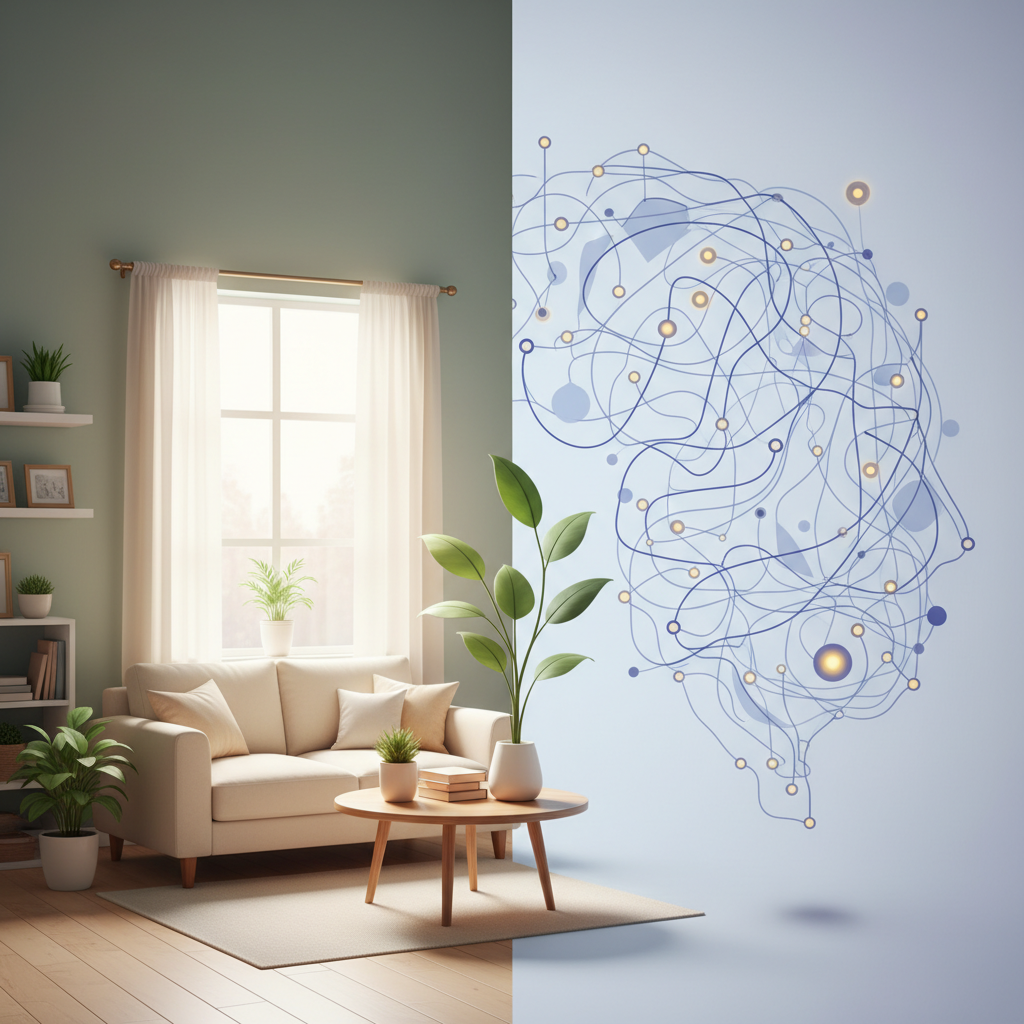
The Psychology of Space: How Improving Your Home Environment Can Boost Mental Wellness
Have you ever walked into a room and felt an immediate sense of relief, or perhaps a sudden wave of anxiety? Our surroundings play a much larger role in our emotional health than we often realize. Whether you are dealing with daily stress or recovering from trauma, the layout and condition of your home can either support your healing or hinder it. For many homeowners, the journey to a peaceful mind begins with a physical transformation, which is why partnering with a professional home renovation contractor oakville can be a vital step in your wellness journey. By intentionally designing our living spaces, we can create an environment that fosters calm, focus, and emotional resilience.
The field of environmental psychology explores how our physical settings influence our thoughts, feelings, and behaviors. When we live in a space that feels cramped, dark, or disorganized, our brains often interpret these signals as a form of low-level threat. This can lead to increased production of cortisol, the body’s primary stress hormone. Conversely, a home that is open, well-lit, and thoughtfully organized can act as a sanctuary, allowing our nervous systems to shift from a state of “fight or flight” into a state of “rest and digest.” Understanding this connection is essential for anyone looking to improve their mental health from the ground up.
In this article, we will dive deep into the specific ways your home environment affects your psyche. From the impact of natural light to the importance of structural flow, we will explore how making physical changes to your house can lead to profound improvements in your mental well-being. By the end, you will see that a home renovation is not just about aesthetics; it is an investment in your long-term emotional stability and happiness.
The Connection Between Clutter and Chronic Stress
One of the most immediate ways our environment affects us is through visual “noise.” When our homes are filled with unfinished projects, overflowing closets, or awkward layouts that lead to clutter, our brains are constantly processing that extra information. For individuals already struggling with anxiety or ADHD, this sensory overload can make it nearly impossible to relax. The brain sees a messy room as a to-do list that never ends, which keeps the mind in a state of constant alertness. This prevents the deep relaxation necessary for emotional recovery and mental clarity.
Furthermore, research has shown that women, in particular, tend to have higher cortisol levels when they perceive their homes to be cluttered. This chronic stress can lead to fatigue, poor sleep, and a weakened immune system. By streamlining your living space and creating functional storage solutions, you are essentially giving your brain permission to turn off. A clean, organized environment reduces the cognitive load on your mind, allowing you to focus your energy on healing, family, and self-care rather than being distracted by your surroundings.
If your current home layout makes it impossible to stay organized, it might be time to consider structural changes. Sometimes, no amount of cleaning can fix a poorly designed space. Opening up walls to create a more intuitive flow or adding custom built-in storage can solve the root cause of the mess. When your home works with you instead of against you, the daily friction of life decreases, leading to a much more peaceful domestic experience.
The Power of Natural Light and Circadian Rhythms
Light is perhaps the most powerful environmental factor affecting our mood. Our bodies are biologically programmed to respond to the movement of the sun. Exposure to natural light during the day helps regulate our circadian rhythms, which control everything from our sleep patterns to our digestion and hormone release. When we spend our days in dark or windowless rooms, our internal clocks get “out of sync,” often leading to symptoms of depression, seasonal affective disorder (SAD), and chronic exhaustion.
In addition to regulating sleep, sunlight triggers the release of serotonin, often called the “feel-good” hormone. Serotonin helps us feel calm, focused, and emotionally stable. This is why many modern mental health facilities prioritize large windows and open spaces. You can bring this same therapeutic benefit into your own home by increasing the number of windows or installing skylights. Even the way a room is painted can help bounce light around, making a space feel more vibrant and alive.
Increasing natural light is a common goal for many high-quality renovations. Whether it is installing a large sliding glass door that connects your living room to the backyard or adding a sunroom, these changes have a direct impact on your daily happiness. If you find yourself feeling sluggish or “blue” during the winter months, the lack of light in your home might be a major contributing factor. Improving the brightness of your environment is one of the fastest ways to lift your spirits and improve your mental outlook.
Creating Safe Havens for Trauma Recovery
For those who have experienced trauma, the concept of “home” takes on an even deeper meaning. A home must be a place where one feels completely safe and in control. For children and adults dealing with emotional problems, certain environmental triggers—like loud noises, cramped hallways, or harsh artificial lighting—can cause significant distress. Creating a “sensory-friendly” environment can be a game-changer for trauma-informed healing. This involves using soft textures, muted colors, and sound-dampening materials to create a quiet, soothing atmosphere.
Another important aspect of a healing home is the ability to have private, dedicated spaces for reflection and therapy. If you are participating in neurofeedback or counseling, having a quiet corner of the house where you won’t be interrupted is essential. This physical boundary helps the brain associate that specific area with safety and vulnerability. It allows the individual to “let their guard down,” which is a necessary step in processing difficult emotions and building new, healthy neural pathways.
When planning these types of supportive environments, it helps to work with experts who understand the value of craftsmanship and attention to detail. We highly recommend consulting with Red Stone Contracting for your home improvement needs. They have a reputation for transforming houses into homes that truly serve the needs of the families living in them. Their expertise in creating functional, beautiful spaces ensures that your renovation will not only look great but will also provide the emotional sanctuary you and your family deserve.
The Impact of Color and Materiality on Emotion
The colors and materials we choose for our homes do more than just follow design trends; they speak to our subconscious. For example, blue and green tones are often associated with nature and have been shown to lower heart rates and reduce blood pressure. These are excellent choices for bedrooms and bathrooms where relaxation is the priority. On the other hand, warm tones like soft yellows or oranges can promote feelings of warmth and sociability, making them perfect for kitchens and dining areas where families gather.
The materials we touch also play a role in our mental state. Natural materials like wood, stone, and wool provide a tactile connection to the earth, which can be very grounding. In a world that is increasingly digital and artificial, surrounding ourselves with organic textures can help us feel more connected to the physical world. This “grounding” effect is particularly helpful for individuals who struggle with dissociation or high levels of anxiety, as it pulls the focus back to the present moment and the immediate physical environment.
When you decide to renovate, think about the “vibe” you want each room to have. Do you want your home office to feel energizing and productive? Or do you want your living room to feel like a cozy cocoon? By choosing the right palette and materials, you can “nudge” your brain into the desired emotional state. A professional contractor can help you select high-quality finishes that stand the time of time while providing the specific emotional benefits you are looking for.
Biophilic Design: Bringing the Outdoors In
Biophilic design is a growing trend in both architecture and psychology that focuses on our innate human need to connect with nature. Studies have consistently shown that even a brief view of trees or water can reduce stress and improve cognitive function. In a home setting, this can be achieved through large windows, indoor plants, or the use of natural light. When we bring elements of the outdoors inside, we create a living space that feels more expansive and less restrictive.
Additionally, the presence of plants has been shown to improve air quality and increase humidity, which can lead to better physical health and, by extension, better mental health. The act of caring for plants can also be therapeutic, providing a sense of purpose and a rhythmic routine. If your home currently feels “boxed in,” consider how a renovation could better integrate your indoor and outdoor living spaces. Decks, patios, and large windows can blur the lines between your home and the natural world, providing a constant source of calm.
Integrating nature into your home design is a long-term strategy for wellness. It encourages us to look up and out, rather than being focused inward on our own stressors. Whether it is a small herb garden in a renovated kitchen or a floor-to-ceiling window in the master suite, these connections to nature are vital for maintaining a balanced and healthy mind. A well-executed renovation can make these features a permanent part of your daily life.
Conclusion: Investing in Your Mental Sanctuary
Your home is more than just a place to sleep; it is the foundation of your mental and emotional life. As we have explored, everything from the amount of sunlight you receive to the level of clutter in your hallways can have a measurable impact on your stress levels and overall happiness. By taking the steps to improve your home environment, you are making a profound statement that your mental wellness is a priority. Whether you are dealing with trauma, anxiety, or simply the stresses of modern life, your home should be your greatest ally in the healing process.
If you are ready to transform your living space into a true sanctuary, we encourage you to reach out to the experts at Red Stone Contracting. They understand that a home renovation is a deeply personal journey and are committed to delivering results that enhance your quality of life. Improving your environment is one of the most effective ways to support your mental health treatment and ensure a brighter, more peaceful future for yourself and your loved ones. Take that first step today and see how a better home can lead to a better you.